


Is bakuchiol as good as retinol for anti-aging and acne is now one of the most asked questions in skincare. Both are promoted as solutions for wrinkles and dullness, but their results, safety, and real-world use can be surprisingly different.
Key Takeaways
- Bakuchiol delivers similar anti-aging results as retinol over 12 weeks, but with less redness and irritation.
- Retinol works faster and remains the gold standard for both anti-aging and acne, but is more likely to cause flaking and stinging, especially on sensitive skin.
- For those with very sensitive skin or who cannot tolerate retinol, bakuchiol is a strong, plant-based alternative suitable for daytime use.
Table of Contents
Bakuchiol vs Retinol: What’s the Real Difference?
Bakuchiol is a natural extract from the Babchi plant, often promoted as a gentle alternative to retinol. Retinol, a vitamin A derivative, is considered the clinical gold standard for anti-aging. Both ingredients promise smoother, firmer skin with fewer wrinkles, but work slightly differently.
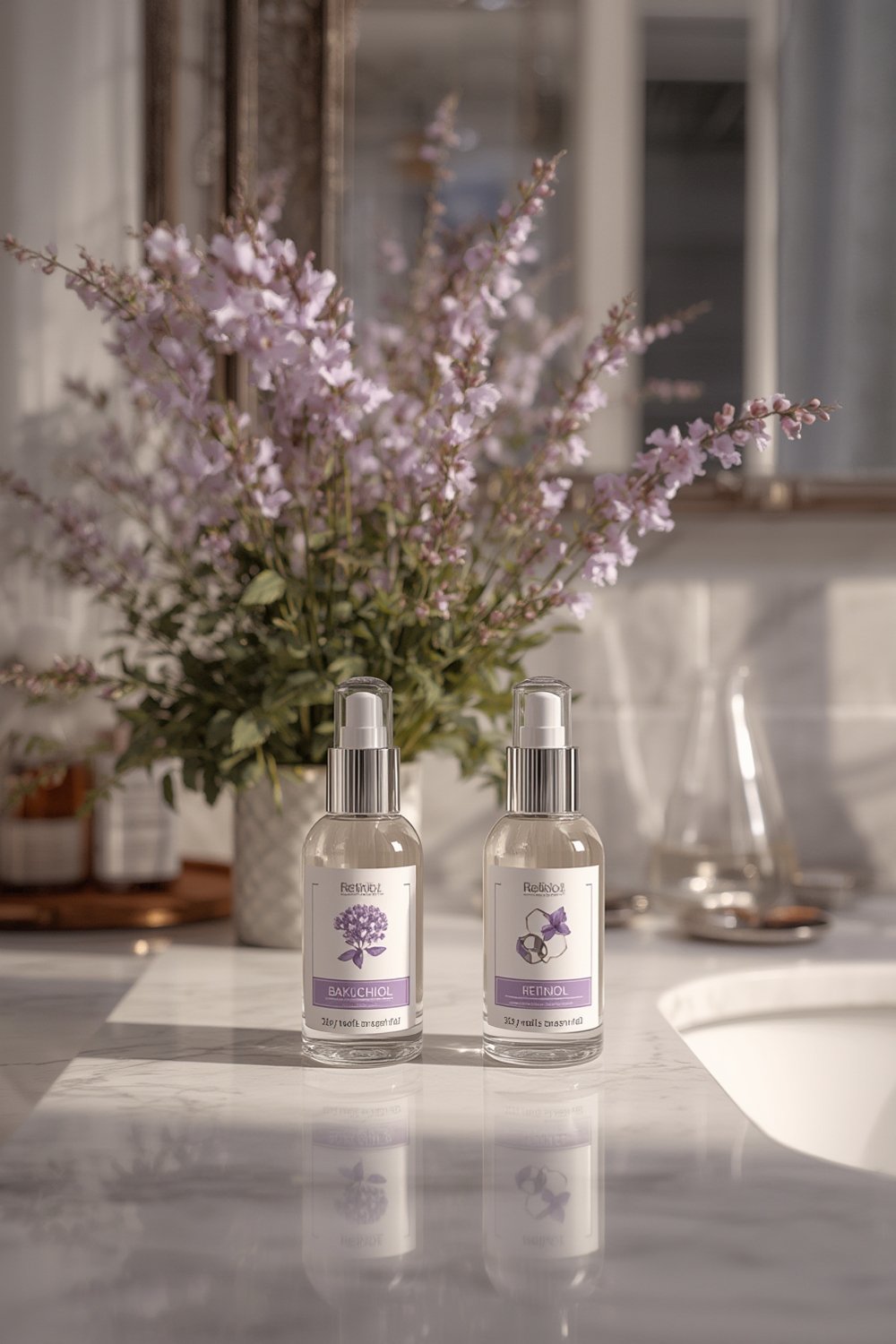
According to recent clinical studies, bakuchiol users saw about a 20% decrease in wrinkle depth and pigmentation after 12 weeks, matching results from moderate-strength retinol. Bakuchiol also produced less redness and scaling—important for those with sensitive or reactive skin. You can read more about the scientific comparisons in this peer-reviewed breakdown.
However, retinol remains the top performer for acne and delivers visible results more quickly. Bakuchiol hasn’t been proven as effective for acne, though its anti-inflammatory benefits can help calm redness and irritation.
If you’re seeking a natural, gentle option for firming and brightening, bakuchiol is recommended. If you want faster reshaping or need to treat persistent breakouts, retinol is unmatched but comes with higher risk of side effects, especially at higher strengths or with sensitive skin. Check out our healthy glowing skin guide for more evidence-based natural approaches.
How to Choose and Use Bakuchiol or Retinol – Step-by-Step Guide
- Assess your skin’s sensitivity and goals. If you have easily irritated, eczema-prone, or rosacea-prone skin, bakuchiol is a safer first step. For deep wrinkles or stubborn acne, consider starting with a low-strength retinol.
- Select products with known concentrations. Choose bakuchiol products at 0.5% to 1% strength. For retinol, beginners should begin with 0.3%-0.5%, preferably in encapsulated formulas for slow release.
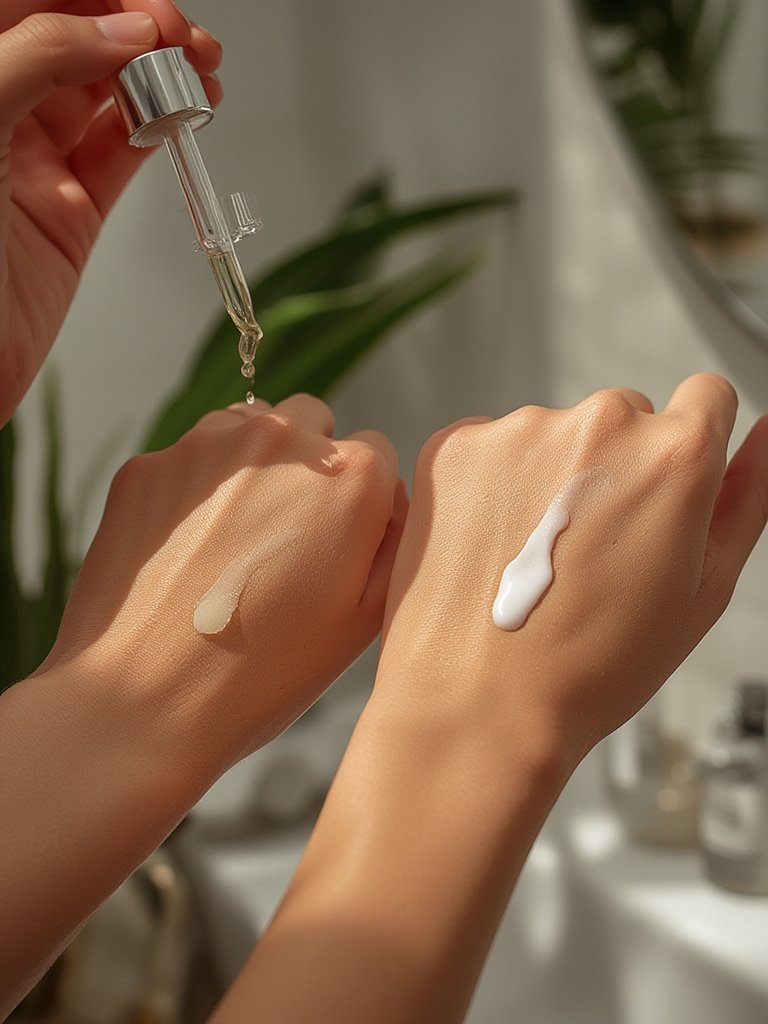
- Introduce new products slowly. Retinol: Apply only twice per week for two weeks, then increase gradually if tolerated. Always use at night and apply a gentle moisturizer on top. Bakuchiol: Can be used daily, morning or evening, and does not require special “retinol sandwich” or rest days.
- Pair with broad-spectrum sunscreen. Retinol increases sun sensitivity, and daily SPF is crucial. Bakuchiol is not photosensitizing but SPF is still best practice for all anti-aging routines.
- Be careful combining active ingredients. Avoid layering retinol with other strong actives (acids, vitamin C, benzoyl peroxide) unless advised by a dermatologist. Bakuchiol is easier to pair, but stick to a simple routine until tolerance is known.
Read our in-depth guide to natural beauty routines to get ideas for layering products and finding irritation-free cleansers and moisturizers that complement your choice of retinol or bakuchiol.
If you prefer to stick with organic, plant-based routines, see our anti-aging secrets guide for the best combinations and schedules.
Advanced Analysis & Common Pitfalls
Both bakuchiol and retinol can transform your skin, but there are common pitfalls—especially if you only follow general online advice. Here’s what recent research and dermatologist feedback tells us:
- Too high concentrations = more harm than benefit. Studies show bakuchiol above 1% increases irritation without extra results. Retinol above 0.5% at home often leads to flaking, burns, or breakouts.
- Retinol is not for “quick fixes”. Overuse or rapid escalation leads to damaged skin barriers. Even experienced users need patience and rest days.
- Bakuchiol for acne is still unproven. Some brands claim acne-fighting results, but unlike retinol, there aren’t strong, peer-reviewed studies confirming bakuchiol clears breakouts as effectively.
- Mislabeling and unclear formulas. Some bakuchiol products do not list the concentration, which makes comparison or meaningful results difficult. Always look for brands that disclose exact percentages.
- Unexpected sensitivity. Even gentler bakuchiol can cause peeling or redness above 1% concentration, or if used with harsh cleansers or exfoliants.
| Feature | Bakuchiol | Retinol |
|---|---|---|
| Anti-wrinkle Efficacy | ~20% reduction after 12 weeks | ~20% reduction after 12 weeks |
| Hyperpigmentation Improvement | 59% improvement (study avg) | 44% improvement (study avg) |
| Speed of Results | Gradual (visible at 12 weeks) | Quicker results (6-8 weeks typical) |
| Irritation Potential | Rare, mild at proper doses | Common (redness, flaking, dryness) |
| Safe for Sensitive/Eczema | Yes, well-tolerated | Caution needed |
| Pregnancy Safety | Considered safe (not vitamin A) | Not recommended |
| Best For | Sensitive, dry, day routines | Deep wrinkles, acne, faster results |
For natural skincare fans, our clean skincare tips guide lists trustworthy, ingredient-transparent brands for both bakuchiol and retinol. Avoid trap products that won’t disclose strengths.
Conclusion
Bakuchiol is nearly as effective as retinol for many signs of aging, but is gentler and more flexible for everyday routines. Retinol is your fastest route for visible results, but it comes with more obstacles—like irritation and downtime. Whether one is better depends on your skin’s needs, how fast you want results, and what side effects you’re willing to tolerate. If you need a safe place to start, bakuchiol is solid, especially if you’re seeking healthy alternatives. Still, for acne and deep-set lines, retinol is king. Remember to always patch test and build up slowly. If you want the best results, combine these insights with routines proven in our organic anti-aging guide.
Have you tried both? Compare your experiences below and share which worked best for you. For more guidance, browse our free resources or download our updated skin transformation routine.
Frequently Asked Questions
Can bakuchiol replace retinol for anti-aging?
Bakuchiol delivers similar wrinkle and pigmentation improvement after 12 weeks, but results are gradual. For some, especially those with sensitive skin or during pregnancy, bakuchiol is an excellent alternative. If you want faster action, retinol may still be preferred.
Is bakuchiol better for sensitive skin?
Yes, bakuchiol is far less irritating than retinol and is tolerated by most skin types, including those with rosacea, eczema, or post-procedure sensitivity. Always patch test any active ingredient before full use.
Which is better for acne, bakuchiol or retinol?
Retinol is proven for acne—its cell turnover boosts unclog pores and reduces breakouts. Bakuchiol has anti-inflammatory effects but lacks direct evidence for acne, so it’s not a proven substitute for severe acne cases.
Should bakuchiol or retinol be used at night or morning?
Retinol should be used only at night and always with sunscreen in the morning. Bakuchiol does not make skin more sensitive to the sun and can safely be used day or night, giving you more flexibility.
Can I use bakuchiol and retinol together in one routine?
Combining them is possible, but most dermatologists suggest alternating nights or using bakuchiol in the morning and retinol at night to minimize irritation. Always monitor for redness or flaking.