


Table of Contents
Beef tallow skincare is gaining attention for its ancient roots and bold claims—but is it right for your skin in 2024? New research, social media hype, and concerns from dermatologists complicate the answer. This guide unpacks what you need to know before you make, buy, or use tallow-based creams for your face.
Key Takeaways
- Scientific evidence for beef tallow skincare is limited, especially for facial use and long-term safety.
- Potential benefits include hydration and barrier repair, but risks like pore clogging and irritation are common, particularly for sensitive or acne-prone skin.
- Homemade tallow balms lack standardization and quality control, increasing potential safety concerns.
What Is Beef Tallow Skincare—and Why the Buzz?
Beef tallow skincare refers to using rendered animal fat, specifically from cows, as a face or body moisturizer. Devotees claim that tallow, packed with fatty acids and vitamins, mimics human skin’s natural lipids, making it ideal for hydration and barrier support.
This trend is seeing rapid growth online and in commercial products, fueled by movements toward ancestral diets, natural wellness, and concerns over synthetic ingredients.
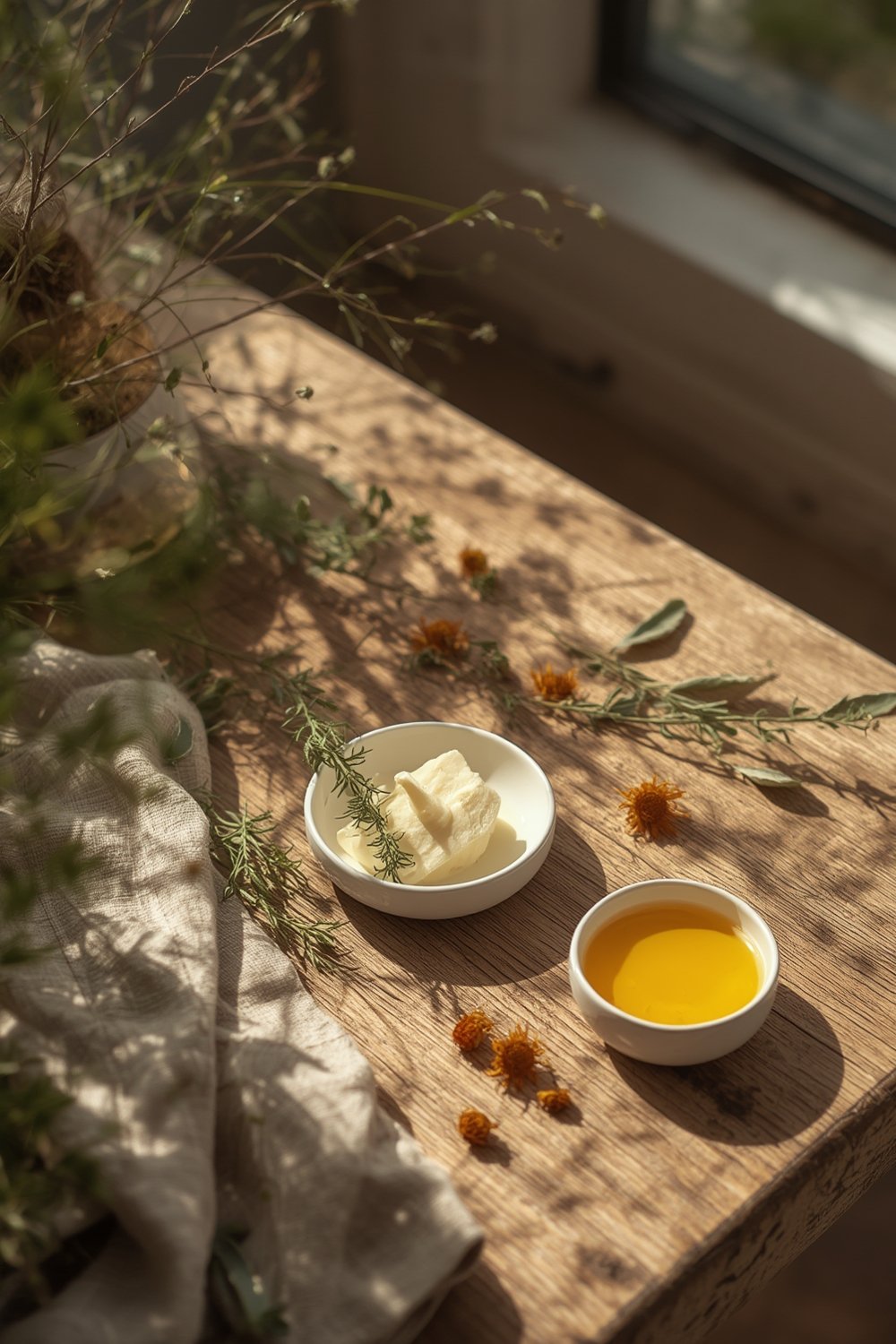
Despite these bold claims, current research offers only modest support.
Studies suggest tallow may benefit dry skin conditions like eczema, likely due to its similarity to some human skin lipids. However, comprehensive long-term human studies, especially on facial use, are still missing as of 2024.
There’s also confusion around premium “grass-fed” vs. “grain-fed” tallow; the science shows no meaningful evidence that either is safer or more beneficial for your skin. For a wider perspective on natural and organic routes to healthy skin, our guide on healthy glowing skin explores time-tested, low-risk strategies.
How to Make and Use Tallow Balm: Step-by-Step
DIY tallow balm is increasingly popular for those seeking ingredient control. While there are no gold-standard formulations published in dermatology research, here’s a detailed, realistic approach for safe home use. Always apply the “less is more” principle, particularly with new ingredients on the face.
- Source Quality Tallow: Find suet (the hard fat from around cattle kidneys), ideally from a reputable butcher. Look for grass-fed or organic sources if transparency on animal rearing matters to you—but be aware research shows no proven skincare advantage versus grain-fed tallow.
- Render the Tallow: Chop suet into cubes. Slowly melt in a heavy-bottomed pot over low heat, stirring occasionally. When the pieces turn crispy (about 2-3 hours), strain the liquid through cheesecloth or a fine mesh sieve into a clean glass jar. Allow to solidify.
- (Optional) Refine or Deodorize: Some prefer to render a second time to reduce odor, straining again for extra clarity. Be meticulous with sanitation to avoid contamination.
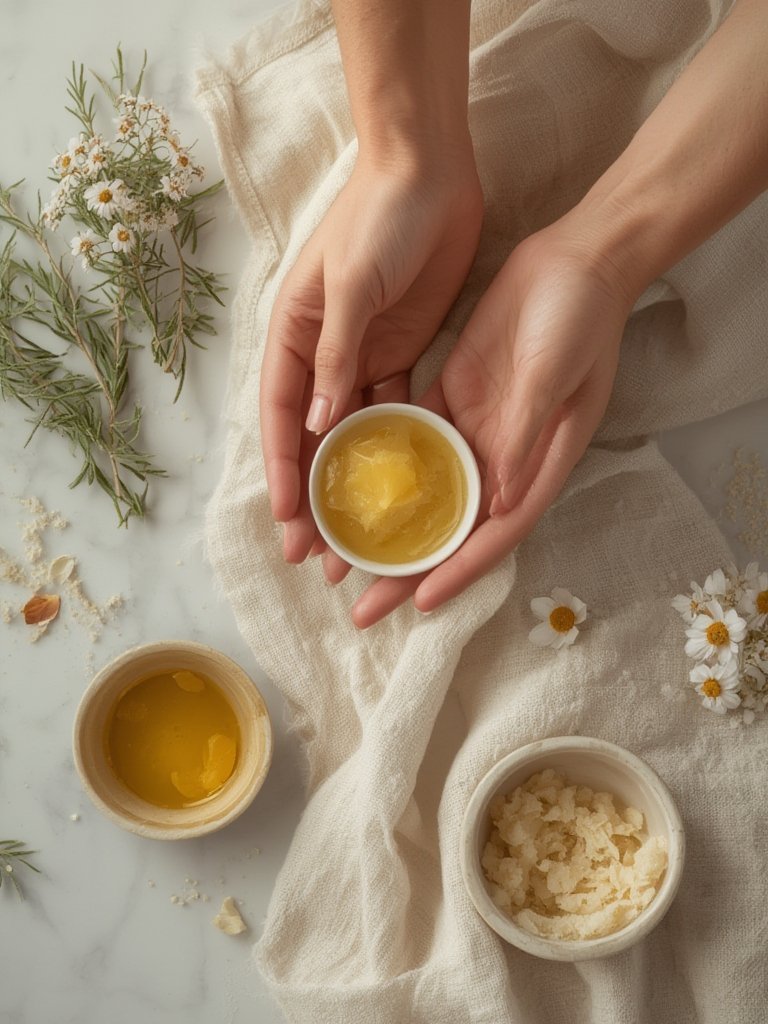
- Blend the Balm: For facial use, blend about 85-90% rendered tallow with 10-15% skin-friendly cold-pressed oils (like jojoba or olive), and a few drops of essential oil (optional, and only if patch-tested). Whisk gently as it solidifies to achieve a whipped texture.
- Store Properly: Refrigerate in a sealed jar. Always use clean hands or a spatula to reduce bacterial contamination.
- Patch Test: Before applying to your face, patch test on your inner arm for at least 24 hours.
- Application: Start with a pea-sized amount. Apply to freshly washed, slightly damp skin. Use sparingly and increase only if no irritation occurs.
For a wider exploration of natural skin hydration and eco-friendly product selection, check our guide on clean skincare tips and organic anti-aging strategies.
Advanced Analysis and Common Pitfalls
While the DIY approach offers control over ingredients, there are important concerns and nuances in beef tallow skincare you shouldn’t ignore.
- Scientific Uncertainty: Even the best 2024 dermatology reviews conclude that there’s little rigorous evidence on facial tallow use, especially over the long term. What works in theory or for certain body areas (dry elbows or legs) may cause issues on delicate or acne-prone faces. One PMC review notes most claims are based on individual fatty acids, not actual tallow balm studies.
- Clogged Pores & Acne Flare-Ups: Many users report breakouts, likely due to high oleic and palmitic acid content. These can be comedogenic for certain skin types. If you’re searching for alternatives, our natural acne treatment tips provide a science-backed plant-based path.
- Irritation & Allergic Reactions: Photosensitivity, redness, and even allergies can occur—especially in those with sensitive or atopic skin. Allergies to animal proteins are possible, so monitoring is essential. The Healthline review shares several such user accounts.
- Contamination / Spoilage: Inconsistent rendering, storage, or hygiene can lead to microbial growth. With 82 retailers and no standardization, commercial product safety also varies dramatically (industry report).
| Tallow Balm | Synthetic Moisturizer | Plant-Based Moisturizer |
|---|---|---|
| High in natural fatty acids, fat-soluble vitamins; lacks ceramides and humectants; risk of pore clogging | May contain ceramides, humectants, proven actives; standardized for safety; potential irritants like fragrances or preservatives | Rich in antioxidants and skin-mimicking oils; less comedogenic; often hypoallergenic but less occlusive than tallow |
| Evidence limited to component-level studies & animal data | Backed by more human clinical trials for common issues | Supported by moderate human data, especially for hydration and mild atopic skin |
No major study has proven beef tallow is superior to quality plant-based or synthetic moisturizers. Tallow lacks some components (ceramides, cholesterol, humectants) found in proven skin-barrier creams. If you’re seeking plant counterparts that won’t clog pores, explore our article on bakuchiol vs retinol for anti-aging, or natural oils for scalp care.

Conclusion
Beef tallow skincare is an ancient remedy enjoying a modern (and controversial) revival. While it may offer short-term hydration for some, the lack of robust evidence and the risks—especially for facial use—mean you should proceed with caution.
Always patch test, favor hygiene, and know that plant-based and synthetic moisturizers with proper clinical backing remain safer choices for most people. If you’re ready to experiment, do your research, start small, and compare how your skin handles the change. For most users, healthy glowing skin can be achieved naturally and safely—read more actionable tips on our natural skincare guide. Beef tallow skincare is not a miracle cure, but with informed steps, you can decide if it fits your needs. Ready to learn more or improve your own skincare routine? Explore our resources and try what feels safest for your skin.
Frequently Asked Questions
Is beef tallow skincare safe for the face?
Most dermatologists agree that evidence for beef tallow as a safe facial moisturizer is limited. Risks include irritation, clogging, and sensitization, especially for acne-prone or sensitive skin. Always patch test and monitor closely if you choose to try it.
Does grass-fed tallow offer more benefits for skin than grain-fed?
Despite marketing claims, there are no reputable studies proving grass-fed tallow is safer or more effective for the skin compared to grain-fed tallow. Focus on freshness, cleanliness, and your own skin’s tolerance over premium labels.
Can beef tallow balm make acne or clogged pores worse?
Yes—beef tallow contains oleic and palmitic acids, which can be comedogenic for some people. Breakouts, especially on acne-prone skin, are a common complaint. Consider patch testing and other non-comedogenic moisturizers instead.
How does tallow compare with synthetic and plant-based moisturizers?
Tallow mimics some human skin lipids and can be deeply occlusive, but lacks ceramides and humectants common in proven synthetic or plant-based formulas. No study shows it’s better—synthetic and plant-based moisturizers tend to be safer for sensitive skin and have more clinical support.
Are there standardized recipes or safety rules for making tallow balm at home?
No. Most “recipes” online vary in ratios and methods, with little agreement on safety. Always use fresh, properly rendered tallow, sanitize thoroughly, and patch test each new batch. Use caution, especially for face products.